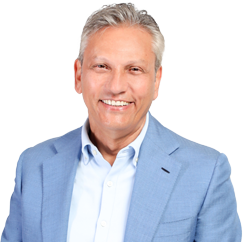
TURSAV’da Yeni Dönem BaşladıSeyahat Acentalarının gelişimine katkı sağlamak, uluslararası arenada rekabet güçlerini artırmak ve TÜRSAB’a destek sunmak üzere ...
Deprem Bölgesinde Faaliyet Gösteren Seyahat Acentalarımızın 2023 Yılı...1618 sayılı yasa kapsamında tahakkuku yapılan aidat bakiyeleri için üç aylık periyotlar halinde seyahat acentalarımıza bildirim y...
Rehber-Acenta Sözleşmesi Hakkında DuyuruTurist Rehberleri Odaları Birliği'nden Birliğimize "Haklı veya zorunlu bir neden olmaksızın turun süre ve güzergahının değiştiril...
Milli Saraylar'a Bağlı Saray, Köşk, Kasır, Müze ve Fabrikalarda Uygul...T.C. Cumhurbaşkanlığı Milli Saraylar İdaresi Başkanlığı Müzecilik ve Tanıtım Dairesi Başkanlığı tarafından Birliğimize iletilen y...
Kamuoyuna Zorunlu AçıklamaSon günlerde bazı odaklarca çeşitli mecralarda TÜRSAB’ın adı anılarak TÜRSAB’la, seyahat acentalarıyla, turizmle ilgili olmayan h...
Turistlerin Ülkemizde Gerçekleştirecekleri Ödemelerde TR Karekod Kull...Kültür ve Turizm Bakanlığı Yatırım ve İşletmeler Genel Müdürlüğü tarafından TR Karekodlu Ödemenin yaygınlaştırılma çalışması kaps...
“Kiralık Plaka ile Etkin Mücadele” Kapsamında Alınan Kararlar Hakkınd...Olağanüstü toplanan Yönetim Kurulu Toplantımızda “Kiralık Plaka ile Etkin Mücadele” kapsamında alınan yeni kararlar doğrultusunda
“TÜRSAB WhatsApp Canlı Destek Hattı” Kullanıma AçıldıÜyelerimizin tüm işlemlerini, WhatsApp üzerinden ilgili birimimize bağlanarak en kolay ve hızlı bir şekilde yapabilmelerini sağla...
59. Cumhurbaşkanlığı Türkiye Bisiklet Turu ve Uluslararası İstanbul Yarı Marato...İstanbul Valiliği'nden Birliğimize gönderilen yazıya göre,25Nisan
Enformasyon Memurluğu Yabancı Dil Online Yazılı Sınavı Hakkında DuyuruGerçekleştirilmiş olan Enformasyon Memurluğu Turizm Bilgisi Sınavı’ndan başarılı olan adaylar Enformasyon Memurluğu Yabancı Dil Yazılı...25Nisan
"İstanbul Turizm Fuarı" Hakkında Duyuru“İstanbul Turizm Fuarı’nda Yeni Dönem Başlıyor!” mottosuyla yola çıkan "İstanbul Turizm Fuarı", 9-10 Ekim 2024 tarihlerinde Yenikapı-A...22Nisan
Kuzey Anadolu Kalkınma Ajansı (KUZKA) Tarafından Başlatılan Batı Karadeniz'i Ke...Kuzey Anadolu Kalkınma Ajansı (KUZKA), Kastamonu, Çankırı ve Sinop illerini kapsayan TR82 Bölgesi'nde bulunan konaklama tesislerinde t...19Nisan
Turist Rehberliği Meslek Kanunu’ndaki Değişikliklere İlişkin Önemli DuyuruBilindiği üzere Turist Rehberliği Meslek Kanunu ile Seyahat Acentaları ve Seyahat Acentaları Birliği Kanununda Değişiklik Yapılmasına ...19Nisan
23 Nisan Ulusal Egemenlik ve Çocuk Bayramında Uygulanacak Ziyaret Hizmetleri Ha...Milli Saraylar İdaresi Başkanlığı, Müzecilik ve Tanıtım Dairesi Başkanlığı tarafından Birliğimize gönderilen yazıya göre;19Nisan
Enformasyon Memurluğu Turizm Bilgisi Sınavı Hakkında Önemli Duyuru20 Nisan 2024 Cumartesi günü saat 10.30’da başlayacak ve 11.30’da sona erecek olan Enformasyon Memurluğu (Turizm Bilgisi) Online Sınav...18Nisan
Milli Saraylar Acenta Portalı Faaliyete BaşladıMilli Saraylar Acenta Portalı, https://acente.millisaraylar.gov.tr adresi üzerinden faaliyete başladı. Seyahat acentalarımız Milli Sar...17Nisan
Yabancı Tur Operatörleri İçin Çalışma İzni Değerlendirme Kriterleri Hakkında Du...T.C. Çalışma ve Sosyal Güvenlik Bakanlığı Uluslararası İşgücü Genel Müdürlüğü tarafından Birliğimize iletilen yazıda;17Nisan
TÜRSAB HABERLERİTÜRSAB Heyetimiz, 'Meksika Turizm Tanıtım Etkinliği'ne KatıldıYönetim Kurulu Üyemiz Yıldırım Taş ve Kurumsal İlişkiler Grup Başkanımız Nergis Büyükkınacı, 25 Nisan 2024 tarihinde düzenlenen 'Meksi...25Nisan
TÜRSAB HABERLERİİran İslam Cumhuriyeti Heyeti, Kuzeydoğu Anadolu Bölge Başkanlığımızı Ziyaret E...İran İslam Cumhuriyeti Erzurum Başkonsolosu Mohammed Ebrahimi ve Muavin Konsolos Hadi Javan, Kuzeydoğu Anadolu Bölge Başkanlığımızı zi...25Nisan
TÜRSAB HABERLERİTÜRSAB Gastronomi Turizmi İhtisas Başkanlığı Aylık Toplantısı GerçekleştirildiGastronomi Turizmi İhtisas Başkanlığı’nın aylık toplantısı, İhtisas Başkanımız Erdal Çeri'nin başkanlığında, 24 Nisan 2024 tarihinde T...24Nisan
TÜRSAB HABERLERİTuristik Diyarbakır Ekspresi, Tarihi Ankara Garı'ndan İlk Seferine BaşladıAnkara-Diyarbakır Demiryolu Hattı'nda hizmet verecek olan Turistik Diyarbakır Ekspresi, Tarihi Ankara Garı'ndan ilk seferine başladı.24Nisan
TÜRSAB HABERLERİMedine Umre ve Ziyaret Forumu BaşladıHac – Umre İhtisas Başkanımız Mehmet Şevki Sonuç ve İhtisas Başkan Yardımcımız Muhammet Salih Kutluoğlu, Medine Umre ve Ziyaret Forumu...24Nisan
TÜRSAB HABERLERİTURSAV Heyetimiz, TÜRSAB Turizm ve Meslek Lisesi’nde Bir Toplantı GerçekleştirdTÜRSAB ve TURSAV Başkan Yardımcısı Hasan Eker, TURSAV Yönetim Kurulu Üyeleri Aslan Tan ve Yüksel Türemez ile TURSAV Genel Müdürü Çetin...22Nisan
TÜRSAB HABERLERİGüney Marmara BTK, Yalova İl Kültür ve Turizm Müdürlüğü İş Birliği ile Bilgilen...Güney Marmara Bölge Temsil Kurulumuz, Turizm Haftası kapsamında Yalova İl Kültür ve Turizm Müdürlüğü iş birliği ile bilgilendirme gezi...19Nisan
TÜRSAB HABERLERİBodrum BTK Heyetimiz, Turizm Haftası Kapsamında Düzenlenen Etkinliklere KatıldıBodrum Bölge Temsil Kurulu Başkanımız Mustafa Demir ve BTK Heyeti, Bodrum ve Milas Kaymakamlıkları tarafından turizm konusunda toplumd...19Nisan
TÜRSAB HABERLERİKuzeydoğu Anadolu BTK, Turizm Haftası Kapsamında Etkinlik DüzenlediKuzeydoğu Anadolu Bölge Temsil Kurulumuz, Erzurum İl Kültür ve Turizm Müdürlüğü iş birliği ile, 'Turizm Haftası' kapsamında etkinlik d...19Nisan
ÜLKE/ŞEHİR HABERLERİDünya Kadınlar Günü Kutlu OlsunÇağdaş ve modern hayatın temelini oluşturarak, dokunduğu her alanı güzelleştiren kadınların 8 Mart Dünya Kadınlar Günü’nü en kalbi duy...08Mart
ÜLKE/ŞEHİR HABERLERİ24-25 Nisan Törenleri T.C. Çanakkale Savaşları Gelibolu Tarihi Alan Başkanlığı’nın Birliğimize gönder09Nisan
ÜLKE/ŞEHİR HABERLERİT.C. Kiev Büyükelçiliği Elektronik Vize Randevusu Hakkında Bilgilendirme T.C. Kiev Büyükelçiliği tarafından Ukrayna uyruklu vatandaşların çalışma ve tur05Nisan
ÜLKE/ŞEHİR HABERLERİ21. Uluslararası ‘‘Leisure 2018’’ Turizm Fuarı / 04 - 07 Nisan 2018 / Minsk, Be... T.C. Kültür ve Turizm Bakanlığı Dış İlişkiler ve Avrupa Birliği Koordinasyon Da20Mart
ÜLKE/ŞEHİR HABERLERİ‘‘Uzbekistan International Travel Workshop the World of Leisure’’ Forumu, Taşke... T.C. Kültür ve Turizm Bakanlığı Dış İlişkiler ve Avrupa Birliği Koordinasyon Da16Mart
ÜLKE/ŞEHİR HABERLERİGastro Alaturka Antalya 2018 Ülkemizin turizm yıldızı Antalya’nın önde gelen doğal güzelliklerinin biri olan15Mart
ÜLKE/ŞEHİR HABERLERİÇanakkale Bisiklet Festivali T.C. Çanakkale Valiliği İl Yazı Müdürlüğü’nün Birliğimize göndermiş olduğu yazı15Mart
ÜLKE/ŞEHİR HABERLERİERTELEME // Yunanistan-Türkiye İş Forumu ve İkili İş Görüşmeleri, 16 Mart 2018,... DEİK/Türkiye-Yunanistan İş Konseyi tarafından, Kuzey Yunanistan Sanayiciler Fed12Mart
ÜLKE/ŞEHİR HABERLERİGuatemala & Kosta Rika Cumhuriyeti Incoming - Outgoing Acentaları ve Tur Opera... Guatemala ve Kosta Rika Büyükelçilikleri tarafından Birliğimize iletilen; Guate06Mart
TÜRSAB HABERLERİVefat ve BaşsağlığıBirliğimiz üyesi, Mersin Bölge Temsil Kurulumuza bağlı faaliyet gösteren Dimer Turizm'in sahibi Eda Ekmen'in kıymetli babası Mehmet Ca...18Nisan
TÜRSAB HABERLERİVefat ve BaşsağlığıYönetim Kurulu Üyemiz Mehmet Akyıl'ın değerli ablası Muhterem Akyıl'ın vefatını büyük bir üzüntü ile öğrendik.10Nisan
TÜRSAB HABERLERİTÜRSAB Heyetimiz, Moskova'da Meydana Gelen Terör Saldırısı Nedeniyle Hayatını K...Yönetim Kurulu Başkanımız Firuz Bağlıkaya ve Başkan Yardımcımız Davut Günaydın, TÜRSAB Yönetim Kurulu Üyemiz Yıldırım Taş, Incoming Tu...02Nisan
ÜLKE/ŞEHİR HABERLERİTÜRSAB Heyetimiz, Moskova'da Meydana Gelen Terör Saldırısı Nedeniyle Hayatını K...Yönetim Kurulu Başkanımız Firuz Bağlıkaya ve Başkan Yardımcımız Davut Günaydın, TÜRSAB Yönetim Kurulu Üyemiz Yıldırım Taş, Incoming Tu...02Nisan
ÜLKE/ŞEHİR HABERLERİYönetim Kurulu Başkanımız Firuz B. Bağlıkaya ve TÜRSAB Heyetimiz Bartın Valiliğ...Yönetim Kurulu Başkanımız Firuz B. Bağlıkaya ve TÜRSAB Heyetimiz Amasra’da yaşanan maden felaketinin ardından Bartın Valisi Dr. Nurtaç...28Ekim
ÜLKE/ŞEHİR HABERLERİYönetim Kurulu Başkanımız Firuz B. Bağlıkaya ve TÜRSAB Heyetimiz Bartın Valiliğ...Yönetim Kurulu Başkanımız Firuz B. Bağlıkaya ve TÜRSAB Heyetimiz Amasra’da yaşanan maden felaketinin ardından Bartın Valisi Dr. Nurtaç...28Ekim